#RoadToQuestCape + #roadtomaxcash
🎥 Speaking Spanish:
🧾 Intro / Reflection
Passed Silver 2! This week was all about comparisons, opinions, agreements/disagreements, and giving reasons behind them. It was fairly straightforward with no big grammar hurdles, so the material went quickly and smoothly.
That said, this week reminded me that I should practice actual conversations more and iron out some of the smaller grammar mistakes I still make.
Next week I’ll move on to some everyday survival topics: making reservations, going to restaurants, and some travel vocab/conversations.
💸 Earn While You Learn
I like to stack beermoney while I study languages, most of these apps are super low-effort and just give me a nice bonus on top of learning. It’s not job-replacement money, but it adds up, especially since I’ve become more introverted. 👇
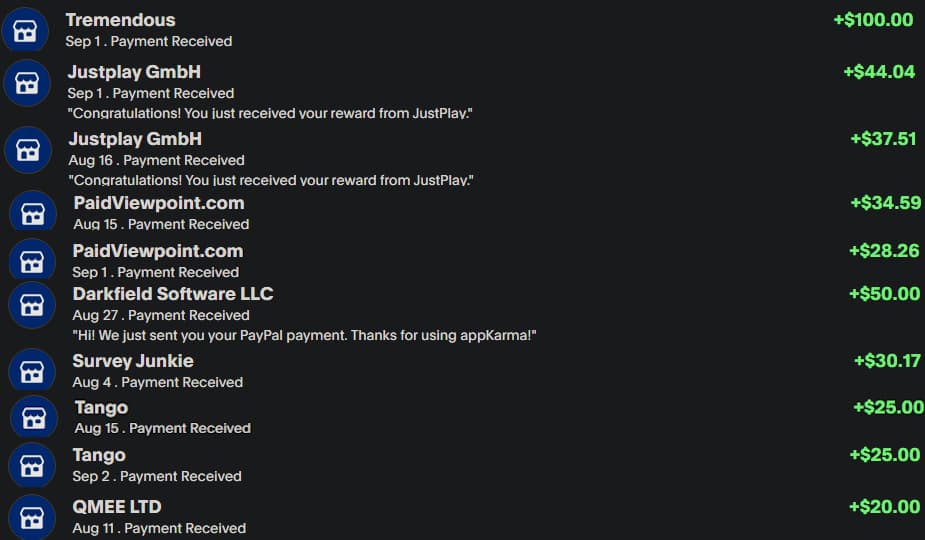
💸 Beermoney Earnings – July
🎮 Justplay: $181.55
📝 Paidviewpoint: $62.85
📱 Inboxdollars: $25.00
📱 Surveyjunkie: $25.00
📱 Qmee: $20.00
📱 App Karma: $50.00
💰 Total: $364.40
👉 See my full earnings report
📚 What I Learned This Rank
✅ Silver 2
| Category | Covered |
|---|---|
| Preferences | ✅ |
| Comparisons | ✅ |
| Emotions | ✅ |
| Basic agreements / disagreements | ✅ |
| I think / I feel | ✅ |
| Comparatives | ✅ |
| Because / So | ✅ |
📅 Scenario:
📝My Spanish notes
Comparatives
Used to compare two things.
- más … que → more … than
- menos … que → less … than
- tan … como → as … as
- tanto/a(s) … como → as much/many … as
Examples:
- El café es más caro que el té. → Coffee is more expensive than tea.
- Mi casa es menos grande que tu casa. → My house is less big than yours.
- Soy tan alto como mi hermano. → I am as tall as my brother.
- Tengo tantas ideas como tú. → I have as many ideas as you.
Superlatives
Used to say something is “the most” or “the least.”
- el/la/los/las + más/menos + adjective
Examples:
- Es la película más interesante. → It’s the most interesting movie.
- Ellos son los menos simpáticos. → They are the least friendly.
Expressing Opinions
- I think that … → Creo que …
- Creo que el español es divertido. → I think Spanish is fun.
- I feel that … → Siento que … (more emotional, less common for opinions)
- Siento que necesito descansar. → I feel that I need to rest.
- In my opinion … → En mi opinión …
Expressing Emotions
- Estoy feliz/triste/cansado/enojado/nervioso. → I am happy/sad/tired/angry/nervous.
- Me gusta … / No me gusta … → I like / I don’t like
- Me encanta … → I love (something)
- Me molesta … → It bothers me
Agreeing/Disagreeing
- Estoy de acuerdo. → I agree.
- No estoy de acuerdo. → I disagree.
- Tienes razón. → You’re right.
- No creo. → I don’t think so.
Because / So
- porque → because
- así que → so
Examples:
- Estoy cansado porque no dormí bien. → I’m tired because I didn’t sleep well.
- No tengo dinero, así que no voy a salir. → I don’t have money, so I won’t go out.
2. Sentence Patterns
- Opinion + porque + reason
- Creo que la pizza es mejor que la pasta porque es más sabrosa.
→ I think pizza is better than pasta because it’s tastier.
- Creo que la pizza es mejor que la pasta porque es más sabrosa.
- Emotion + porque + reason
- Estoy feliz porque hoy es viernes.
→ I’m happy because today is Friday.
- Estoy feliz porque hoy es viernes.
- Comparison + así que + result
- Este libro es más fácil, así que prefiero leerlo.
→ This book is easier, so I prefer to read it.
- Este libro es más fácil, así que prefiero leerlo.
✅ Silver Spanish Test Results
Part 1: Preferences
Say what you like more and why.
Prompt:
“¿Qué prefieres: la pizza o las hamburguesas? ¿Por qué?”
Your text:
yo preferio curry porque, pienso que hay muchas differentes curries tu puedes haces y hay muchas differentes.
Feedback:
- “preferio” → prefiero.
- “differentes” → diferentes (spelling).
- “curries tu puedes haces” → curries que puedes hacer (relative clause).
- Remove extra “y hay muchas diferentes” (repetition).
Corrected version:
Yo prefiero el curry porque pienso que hay muchos curries diferentes que puedes hacer.
✅ Great job using “pienso que” + preference + porque.
Part 2: Comparisons
Compare two things (size, cost, interest, etc.). Use más/menos que, mejor/peor, mayor/menor.
Prompt:
“Compara tu ciudad con otra ciudad que conozcas.”
Your text:
este juego es mas bueno porque hay mas cosas tu puedes haces. como muchas gentes a jugar, muchas difficultades, y muchas cosas puedes trabajar por. asi que pienso que este juego es mas divertido y mas mejor que eso juego.
Feedback:
- “mas bueno” → usually we use mejor instead of “más bueno”.
- “tu puedes haces” → que puedes hacer.
- “muchas gentes a jugar” → mucha gente juega (“gente” is singular).
- “muchas difficultades” → muchas dificultades (spelling).
- “cosas puedes trabajar por” → cosas por las que puedes trabajar (better phrasing).
- “mas mejor” → don’t double; just say mejor.
- “eso juego” → ese juego.
Corrected version:
Este juego es mejor porque hay más cosas que puedes hacer. Mucha gente juega, hay muchas dificultades y muchas metas por las que puedes trabajar. Así que pienso que este juego es más divertido y mejor que ese juego.
✅ Very strong! You combined comparisons + opinion + explanation.
Part 3: Emotions
Express how you feel in different situations.
Prompt:
“¿Cómo te sientes cuando tienes mucho trabajo? ¿Y cómo te sientes cuando estás con tus amigos?”
Your text:
cuando tengo muchao trabajo, a veces tengo estrado, pero yo intento a trabajar mas lento y tranquillo.
Cuando estoy con mis amigos, tengo mucho feliz porque me gusta salir con mis amigos mucho, pienso que ellos son muy divertidos y amablas.
Feedback:
- “muchao” → mucho.
- “estrado” → estrés or estoy estresado.
- “intento a trabajar” → intento trabajar (no “a”).
- “tranquillo” → tranquilo.
- “tengo mucho feliz” → estoy muy feliz (happiness is a state).
- “amablas” → amables.
Corrected version:
Cuando tengo mucho trabajo, a veces estoy estresado, pero intento trabajar más lento y tranquilo.
Cuando estoy con mis amigos, estoy muy feliz porque me gusta salir con ellos. Pienso que son muy divertidos y amables.
✅ Excellent use of emotions + explanations.
Part 4: Opinions
Use “Yo pienso que…” or “Yo creo que…” or “Yo siento que…” to share your opinion.
Prompt:
“¿Qué piensas de estudiar idiomas? ¿Es importante? ¿Por qué?”
Your text:
pienso que no es importante, pero, cuando tu quieres vives en un pais y no puedes hablas la lengua, debarias estudair esta lengua. es muy importante a comunicar con otras, especialmente cuando quieres vivo eso. Pero no siempre, si puedes comunicar, no simepre necesitas estudiar.
Feedback:
- “quieres vives” → quieres vivir.
- “no puedes hablas” → no puedes hablar.
- “debarias” → deberías.
- “estudair” → estudiar.
- “es muy importante a comunicar” → es muy importante comunicar.
- “otras” → otros (if meaning “others/people”).
- “quieres vivo eso” → quieres vivir allí.
- “simepre” → siempre.
Corrected version:
Pienso que no siempre es importante, pero cuando quieres vivir en un país y no puedes hablar la lengua, deberías estudiar esa lengua. Es muy importante comunicar con otros, especialmente cuando quieres vivir allí. Pero si ya puedes comunicarte, no siempre necesitas estudiar.
✅ Really thoughtful answer—great reasoning in Spanish.
Part 5: Agreement / Disagreement
React to the sentence:
“El chocolate es mejor que el helado.”
- Agree or disagree, and explain briefly why.
Part 5: Agreement/Disagreement
Your text:
no estoy de acuerdo, pienso que el helado es mejor que el cocholate. Porque pienso que es mas delicioso y tiene muchos helados differentes.
Feedback:
- “cocholate” → chocolate.
- “mas delicioso” → needs accent: más delicioso.
- “differentes” → diferentes.
- Style: combine into one sentence instead of “Porque pienso…”
Corrected version:
No estoy de acuerdo. Pienso que el helado es mejor que el chocolate porque es más delicioso y tiene muchos sabores diferentes.
✅ Clear disagreement with explanation = perfect.
🌟 Overall Assessment (Silver 2)
- ✅ You can express preferences, emotions, and opinions clearly.
- ✅ You use comparatives and superlatives (“mejor que”, “más divertido que”).
- ✅ You know “pienso que / creo que / siento que”.
- ✅ You show agreement/disagreement.
- ⚠️ Main issues: spelling (differentes → diferentes), reflexive verbs, accent marks, and sometimes using “tener” instead of “estar” for feelings.
👉 you pass Silver 2.
🎯 Next Steps / Goals
Onto Silver 3! Learning to navigate the world, learning how to reserve places, appointments, lodging, and asking for recommendations.
📚 Resources I Used
- ChatGPT (for sentence practice + explanations + tests)
- YouTube (for pronunciation + listening)
- Google Translate (for fast checks)
- My language language learning structure (coming soon)
🌍 Bonus Resources You Might Like
- 🧠 Duolingo – decent for language base, I personally don’t like it.
- 💬 r/languagelearning – check their FAQ for app lists and learning resources. I rarely browse, but it’s a popular hub.
💸 Beermoney Glossary:
Curious how much money you can realistically make online from surveys, games, ads, and small tasks? Check out my Beermoney Glossary page, where I break down every app and site I’ve tried with videos, payment proof, and my personal experiences. I always recommend doing beermoney while watching shows, anime, gaming, or handling small tasks around the house.
👉 Beermoney reviews
📈 Monthly Earnings Tracker:
Want to see exactly what I cashed out every month? My Monthly Earnings Tracker has screenshots of my app cashouts, plus updates on my trading and investment accounts, all in one place, month by month.
👉 Monthly earnings
🌍 Language Learning Glossary:
Curious what languages I’m learning? Check out my Language Learning Glossary for weekly progress updates. I post short speaking videos, track my progress, share my personal study notes, and break down the rank criteria I follow.
👉 Language progress